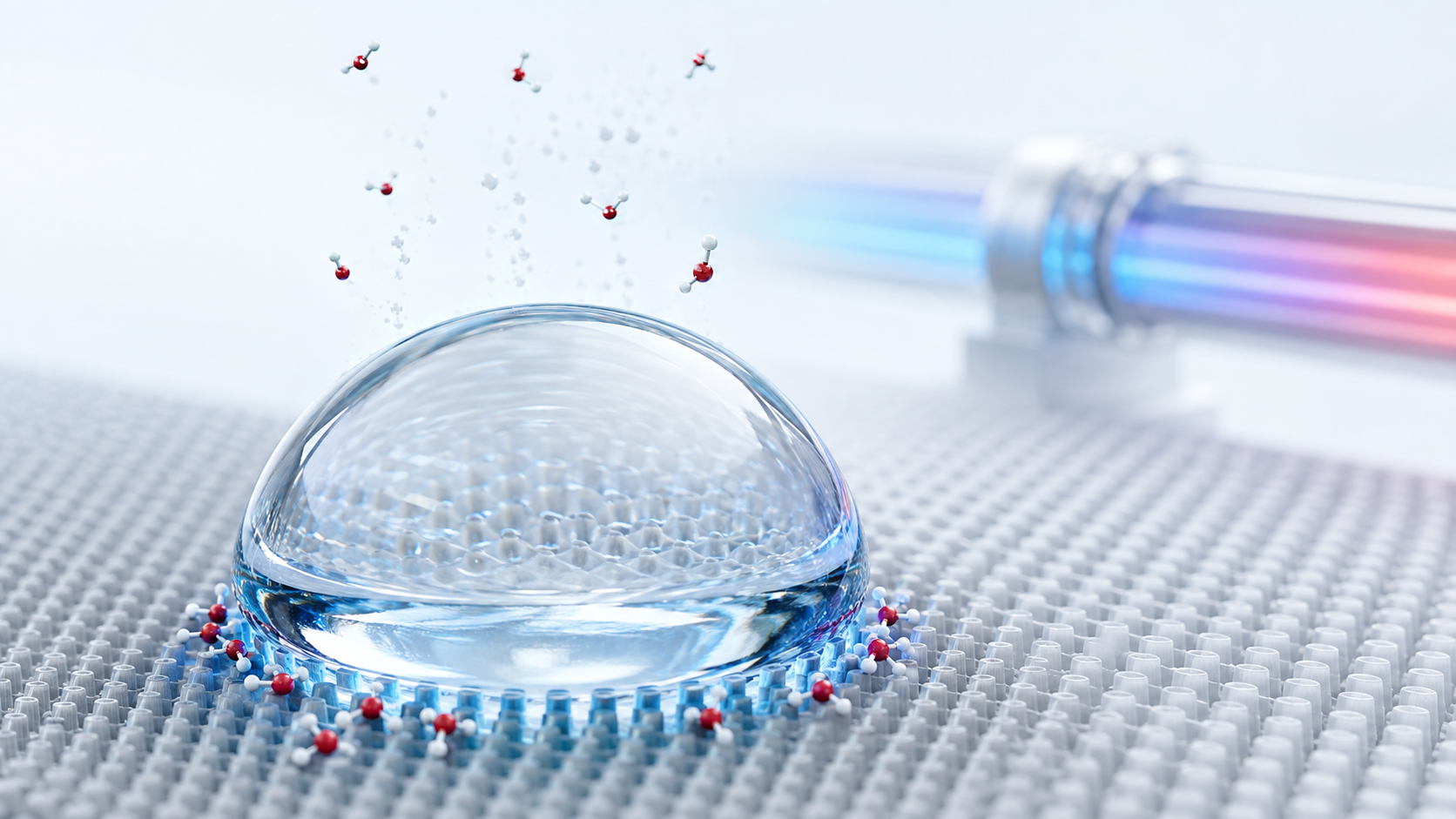
Interfacial Water and Phase Change
Computational studies of water near surfaces, evaporation, confined nanochannels, heat pipes, and solid-liquid thermal transport.
- Molecular dynamics
- Coarse-grained modeling
- Force-field development
- Optimization
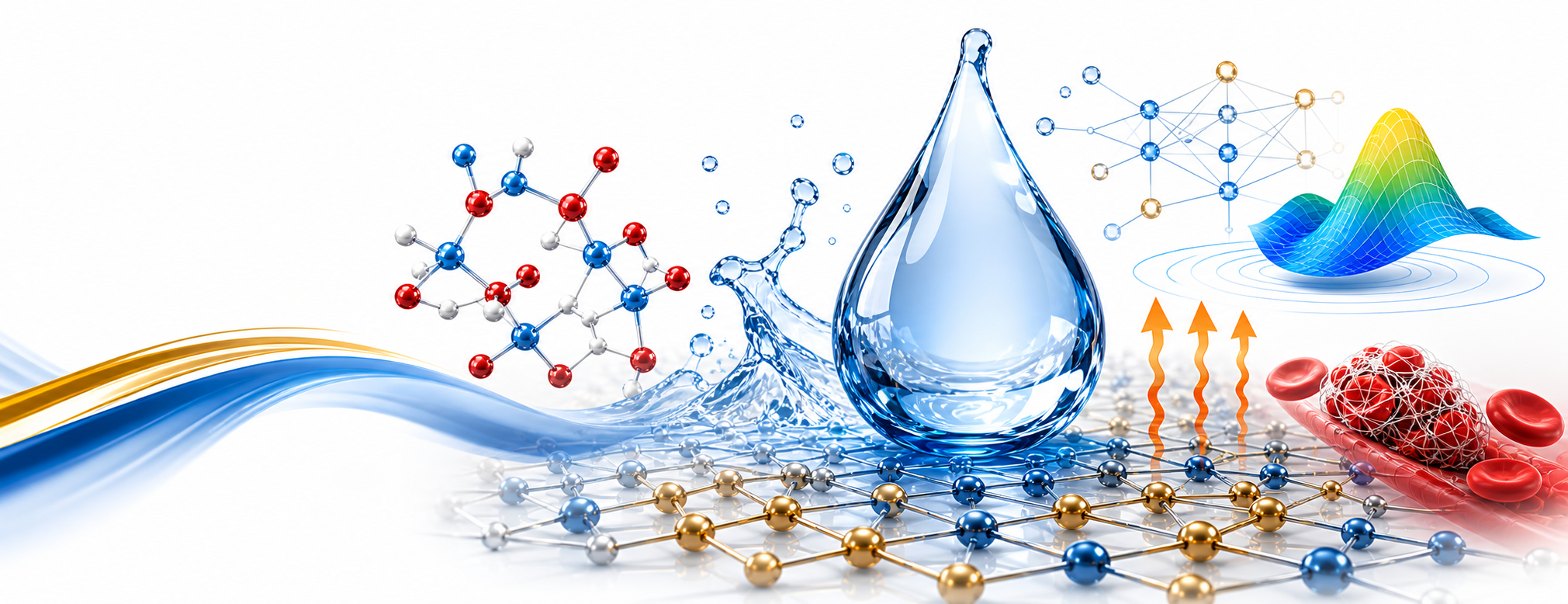
2026. The project “Profiling LNP and Blood Elements Interactions” received funding from the National Institutes of Health (NIH) under R15. Dr. Kagya Amoako serves as PI and Dr. Sumith Yesudasan serves as Co-Investigator.
2026. The article “Molecular Dynamics Study Comparing the Enthalpy of Vaporization of Water Under Electric Fields in Bulk and Interfacial Systems” was published in the ASME Journal of Heat and Mass Transfer. DOI: https://doi.org/10.1115/1.4072133
2026. Dr. Sumith Yesudasan contributed to the ASME Summer Heat Transfer Conference in Bellevue, Washington, as co-organizer of the K8-03 AI Workforce Readiness Panel and as a session chair for K8-04, “Emerging Topics in Heat Transfer and Thermal Management,” and K8-07, “Fundamentals of Phase Change Including Micro/Nanoscale Effects-2.”
2025. The article “Thermostating Strategies and Interaction Potentials in Interfacial Water Simulations: Are They Really Needed?” was published in Frontiers in Mechanical Engineering. DOI: https://doi.org/10.3389/fmech.2025.1690974
2025. The article “Evaporation Behavior of Water in Confined Nanochannels Using Molecular Dynamics Simulation” was published in the Journal of Nuclear Engineering. The study examined water evaporation and copper–water interactions in nanoscale channels using molecular dynamics simulations. DOI: https://doi.org/10.3390/jne6040043
2025. The article “Evaporation Characteristics of Heat Pipes with Sub-Critical Nanopores” was published in Molecular Physics. DOI: https://doi.org/10.1080/00268976.2025.2472975
2025. The review article “Enhancing Nucleic Acid Delivery by the Integration of Artificial Intelligence into Lipid Nanoparticle Formulation” was published in Frontiers in Medical Technology. The multidisciplinary work examined the use of artificial intelligence and machine learning in the development of lipid-nanoparticle delivery systems. DOI: https://doi.org/10.3389/fmedt.2025.1591119
2025. Mamshad Musharaf Mohammed successfully defended his M.S. thesis on molecular dynamics studies of evaporation and water behavior in confined copper nanochannels. This research contributed to the associated article published in the Journal of Nuclear Engineering.
2025. Christopher Brown successfully defended his M.S. thesis, “Structural Vibration Analysis of the Multi-Mission Radioisotope Thermoelectric Generator on the Martian Surface.” The thesis is available through the University of New Haven Digital Commons. https://digitalcommons.newhaven.edu/masterstheses/256/
2025. MELT Laboratory research received support through the University of New Haven Summer Research Grant and Research Fund Award programs for computational thermofluids and molecular-simulation research.
2025. MELT Laboratory received an ACCESS advanced cyberinfrastructure allocation supporting molecular simulations, high-performance computing workflows, and computationally intensive research.
2024. MELT Laboratory received project support for the thermal design of a biomedical DNA-detection device through a collaboration with 12-15 Molecular Diagnostics and for nuclear-engineering fellowship activities supported by the U.S. Nuclear Regulatory Commission.
2024. Dr. Yesudasan presented “Wicking Characteristics of a Heat Pipe at Nanoscale” at the ASME Summer Heat Transfer Conference in Anaheim, California. https://shtc.secure-platform.com/a/solicitations/220/sessiongallery/15916/application/132533
2023. MELT Laboratory received NASA Connecticut Space Grant support for the project “Testing Passive Radiative Cooling for Spacecraft Thermal Protection.” Additional project support included University of New Haven entrepreneurial-minded learning activities and liquid-cooling experiments supported by Sam Houston State University.
2023. Engineering-education research was presented through IEEE Frontiers in Education and the ASEE Annual Conference. Topics included STEM laboratory-safety modules, biomedical engineering technology curriculum development, robot and programmable-logic-controller integration, and continuing professional development.
2022. The article “The Critical Diameter for Continuous Evaporation Is Between 3 nm and 4 nm for Hydrophilic Nanopores” was published in Langmuir. The study introduced coarse-grained water models and investigated continuous evaporation and heat transfer through nanoscale hydrophilic pores. DOI: https://doi.org/10.1021/acs.langmuir.2c00159
2022. Coarse-grained molecular dynamics research on water evaporation and nanoscale phase-change transport was presented at the ASME International Mechanical Engineering Congress and Exposition in Columbus, Ohio.
MELT research centers on molecular and multiscale computational modeling of interfacial water, phase change, and transport in confined or nanoscale environments. The work combines molecular dynamics, coarse-grained modeling, first-principles calculations, optimization, and data analysis to study water-surface interactions, evaporation, and thermal transport.
The laboratory also applies molecular and mesoscale simulation methods to biomolecular assembly and clot mechanics. Graduate and undergraduate students are trained in scientific computing, high-performance computing, simulation workflows, and research data analysis.
Computational studies of water near surfaces, evaporation, confined nanochannels, heat pipes, and solid-liquid thermal transport.
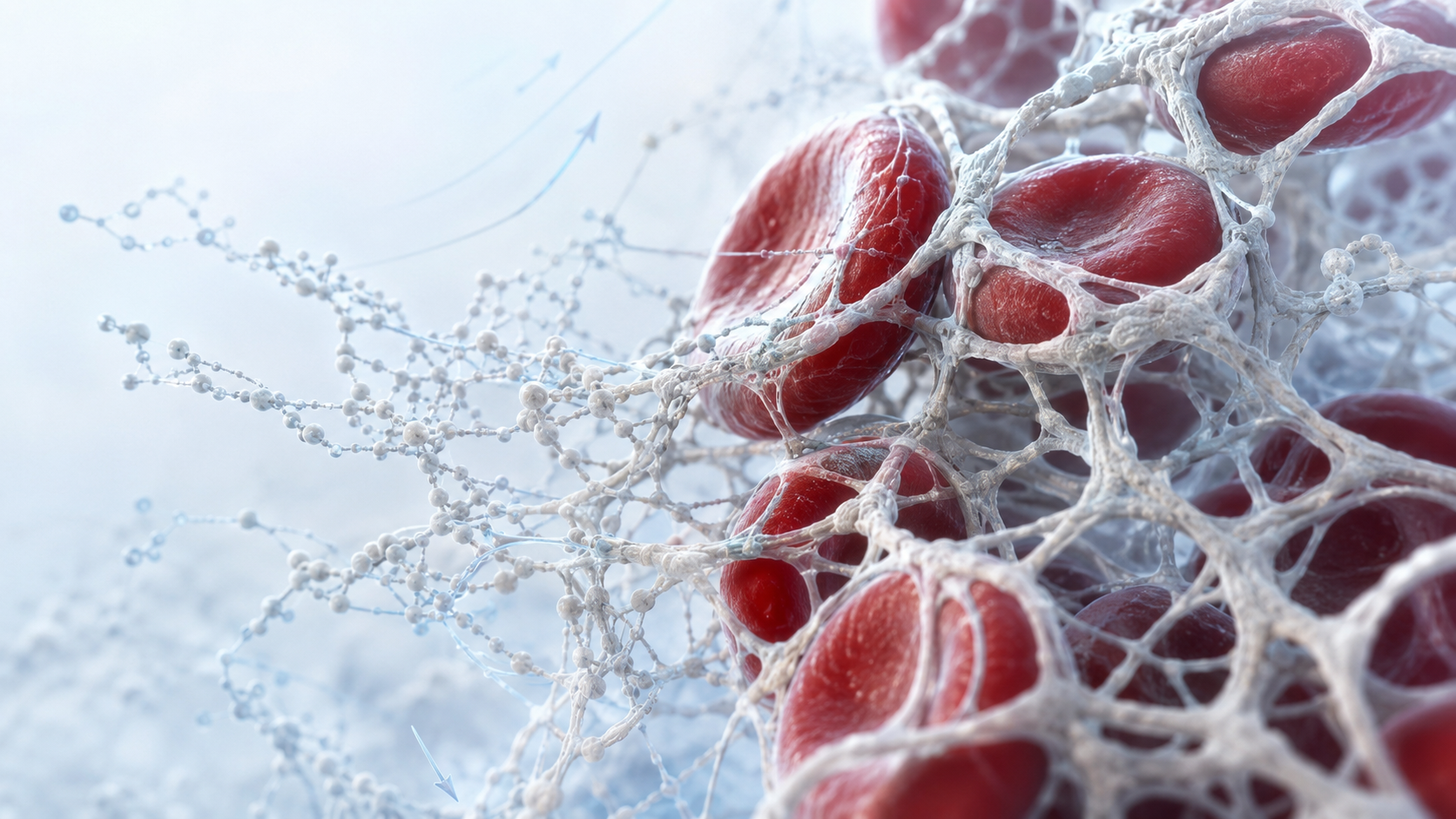
Simulation-centered studies of fibrin polymerization, clot structure, protein mechanics, and molecular interactions relevant to blood-clot behavior.
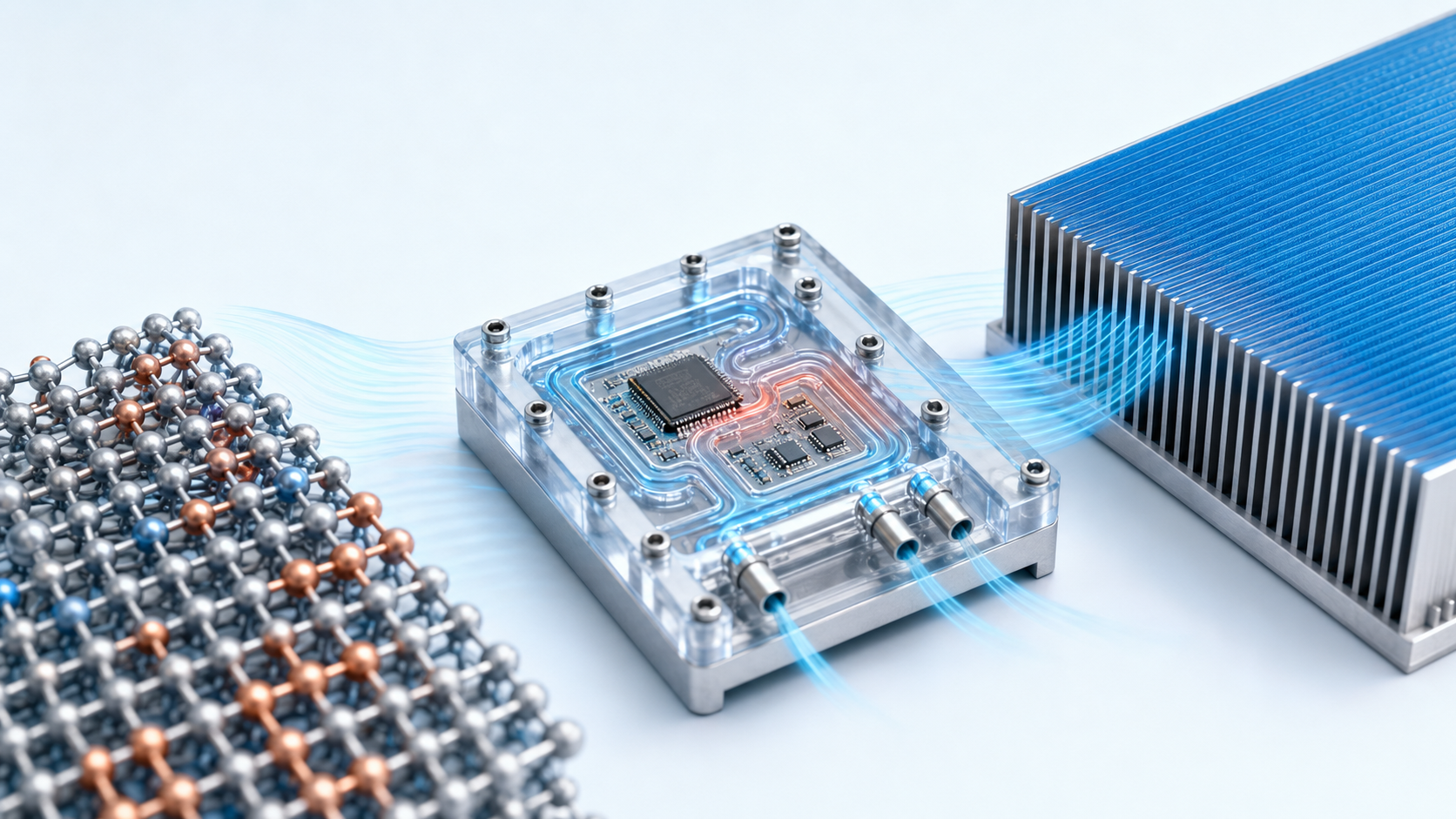
Research on nanoscale heat transfer, electronics cooling, radiative cooling, and simulation workflows that connect molecular behavior with thermal-system design.





Awards received since 2021.
NIH R15: Profiling LNP and Blood Elements Interactions ($497k). 2026. Funding agency: National Institutes of Health (NIH). Investigator role: Kagya Amoako (PI), Sumith Yesudasan (Co-Investigator).
ACCESS Advanced Cyberinfrastructure Allocation. 2025. Support agency: ACCESS advanced cyberinfrastructure ecosystem. Investigator role: Sumith Yesudasan (PI).
Summer Research Grant. Summer 2025. Funding agency: University of New Haven. Investigator role: Sumith Yesudasan (PI).
Research Fund Award. Summer 2025. Funding agency: University of New Haven. Investigator role: Sumith Yesudasan (PI).
Thermal Design of Biomedical Device for DNA Detection. Fall 2024. Funding agency: 12-15 Molecular Diagnostics. Investigator role: Sumith Yesudasan (PI).
Nuclear Fellowship Program. Spring 2024. Funding agency: U.S. Nuclear Regulatory Commission. Investigator role: Sumith Yesudasan (PI), Thomas Filburn.
Testing Passive Radiative Cooling for Spacecraft Thermal Protection. Fall 2023. Funding agency: NASA CT Space Grant. Investigator role: Sumith Yesudasan (PI).
Entrepreneurial-Minded Learning Project. Fall 2023. Funding agency: University of New Haven. Investigator role: Sumith Yesudasan (PI).
Experimental Investigation of Cooling Efficiency of Liquid Cooling Computers. Spring 2023. Funding agency: SHSU. Investigator role: Sumith Yesudasan (PI).
Interfacing Arduino Microcontroller with Mechatronics Systems. Fall 2021. Funding agency: STEM Center, SHSU. Investigator role: Sumith Yesudasan (PI).
Multiscale modeling of thrombosis. Modeling the mechanics of thromboembolism formation to support understanding of deep vein thrombosis and thrombolytic therapies.
Reactive coarse-grained MD method for fibrin. Reactive molecular dynamics methods for coarse-grained fibrinogen molecules, fibrin clot formation, branching, and fiber formation.
Molecular mechanics of fibrinogen and hemoglobin. Molecular-level characterization of hemoglobin and related biomolecular systems, including anisotropic mechanical behavior.
Self-assembly and spontaneous sickle-fiber formation. Coarse-grained models of sickle hemoglobin for spontaneous nucleus formation, self-assembly, and deformation related to red-blood-cell sickling.
Solid-liquid heat transfer in MD simulations. Molecular dynamics studies of high heat-flux removal and nanoscale heat transfer at liquid-solid interfaces.
Fast local pressure estimation for LAMMPS. An efficient two-dimensional local pressure estimation algorithm for post-processing LAMMPS molecular dynamics simulations.
Morse-D is an accurate coarse-grained molecular dynamics (CGMD) model for water developed through optimization. The parameters below summarize the Morse-D coarse-grained water model used in the published optimization work.
Reference: Yesudasan, S., Averett, R., and Chacko, S. (2020), Machine Learned Coarse Grain Water Models for Evaporation Studies, Preprints. https://doi.org/10.20944/preprints202007.0126.v1
| CGMD Model | D0 (kcal/mol) | α (1/Å) | r0 (Å) | rcut (nm) | dt (fs) |
|---|---|---|---|---|---|
| Morse-D | 1.686345 | 0.625349 | 5.8106 | 1.2 | 30 |